

When your child will not speak with you, weeks can begin to feel like years. You may be frightened that the relationship will not recover and unsure what to do next.
Family Reunification Therapy offers a structured process for addressing this kind of disconnection. It is not guesswork, a custody assessment, or a demand for instant closeness. It is a paced form of therapy that takes the child’s experience seriously while creating a supported path towards a genuine relationship.
At Wellness in Therapy, we support families throughout Ontario through secure video or phone sessions. Some of our therapists also have personal experience working in correctional facilities, which can add perspective when institutional systems, child protection involvement, or other complex family circumstances are part of the story.
What is Family Reunification Therapy?
Family Reunification Therapy is a structured, goal-directed intervention focused on repairing or rebuilding the relationship between a child and a parent who have become disconnected, estranged, or resistant to contact.
The reasons for this disconnection can be complicated. They may include:
- Separation or divorce
- High-conflict co-parenting
- A long gap in contact
- A child refusing or resisting contact
- Allegations or conflict that have damaged trust
- Strain in a blended family
- Child protection or court involvement
- A child becoming closely aligned with one parent during ongoing conflict
- A parent-child relationship affected by fear, hurt, misunderstanding, or repeated ruptures
Reunification therapy is not the same as general family counselling. It is also different from mediation, which helps adults negotiate agreements, and from a custody or parenting assessment, which may provide information to the court.
A therapist does not decide parenting arrangements, make legal findings, or provide legal advice. If you are involved in a court process, therapy should be considered alongside advice from your lawyer.
How reunification therapy is different from ordinary counselling
Many forms of counselling support communication, emotional regulation, and relationship repair. Reunification therapy includes these elements, but it also has a more specific structure.
It is usually:
- Paced: Contact develops gradually rather than being rushed.
- Phase-based: The work moves through assessment, preparation, supported contact, and consolidation.
- Safety-first: The therapist considers the child’s emotional and physical safety before recommending joint work.
- Child-centred: The child’s experiences, concerns, and readiness are taken seriously.
- Goal-directed: The focus is on rebuilding a safe and authentic relationship, not simply obtaining compliance or increasing contact.
The goal is not to make a child perform affection, agree with an adult’s version of events, or move past distress before they are ready. A genuine relationship needs room for honesty, boundaries, repair, and trust.
Is it court-ordered or voluntary?
Family Reunification Therapy may be court-ordered, agreed upon by both parents, or started voluntarily by one or more family members.
A court order may provide a framework for participation. It does not remove the need for clinical judgment, careful pacing, or attention to the child’s experience.
Voluntary therapy is equally legitimate. Some parents reach out after a long period of limited contact, a painful separation, or conflict that has gradually affected the whole family. You do not need to wait for a court to tell you that support may be helpful.
The details of the process depend on the family’s circumstances, any existing orders or agreements, and the therapist’s assessment of what is appropriate.
What the process usually looks like
Every family is different, but reunification therapy often follows a series of stages.
1. Intake and initial assessment
The therapist gathers information about the family history, the current relationship, previous services, contact arrangements, and any legal or child protection context.
Parents may be asked to provide relevant documents, such as court orders, parenting plans, or professional reports. The therapist also considers safety concerns, family violence, coercive control, trauma, and the child’s current emotional needs.
This stage helps determine whether reunification therapy is appropriate and what safeguards may be needed.
2. Separate meetings
Before joint sessions begin, the therapist typically meets separately with each parent and with the child.
These meetings help each person explain their experience without being placed in the middle of another family member’s account. The parent may explore grief, frustration, fear, regret, or hopes for the relationship. The child may need space to discuss worries, anger, loyalty conflicts, uncertainty, or mixed feelings.
3. Preparation and skill-building
The child may work on identifying feelings, expressing boundaries, and preparing for contact in a predictable way.
The parent may work on:
- Listening without immediately correcting
- Responding calmly to resistance
- Acknowledging the child’s feelings
- Managing disappointment and strong emotions
- Taking responsibility where appropriate
- Avoiding pressure for affection or forgiveness
The therapist may also help parents reduce adult conflict around the child and communicate in ways that support emotional stability.
4. Gradual contact
When the child has had enough preparation and the therapist believes contact is appropriate, interaction may begin in a structured setting.
Early contact may be brief and supported by the therapist. It may focus on neutral activities or conversation rather than immediately addressing every painful issue. The therapist watches for signs of overwhelm and adjusts the pace as needed.
Joint sessions do not necessarily begin at the first appointment. In many cases, separate work comes first so that the child and parent have a stronger foundation.
5. Expanding the relationship
As contact becomes more comfortable, the process may gradually include longer conversations, shared activities, or contact outside the therapy setting.
This does not follow a fixed schedule. Reunification therapy is usually measured in months, not weeks, and the pace is guided by the child’s readiness, emotional safety, and the relationship’s progress.
What is your role as a parent?
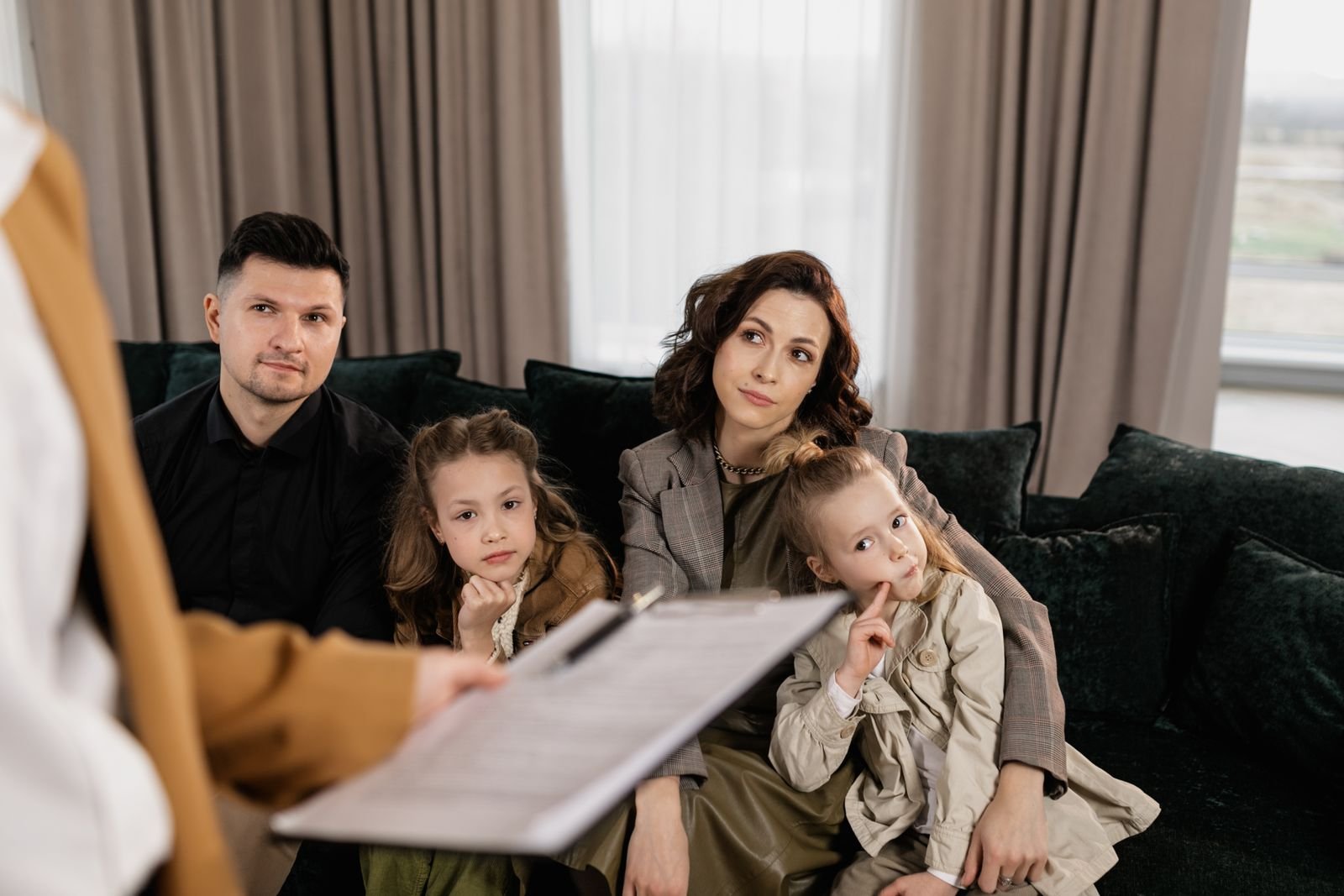
Your involvement matters, whether you are the parent seeking renewed contact, the parent supporting the child’s participation, or a co-parent trying to reduce conflict.
Helpful steps include:
- Attend appointments consistently.
- Follow through on agreed contact.
- Do not use your child as a messenger.
- Keep adult legal disputes outside the child’s conversations.
- Avoid criticizing or interrogating the other parent in therapy.
- Accept that the therapist may move more slowly than you would prefer.
- Be willing to hear difficult feedback.
- Let your child have mixed feelings without demanding reassurance.
- Focus on being predictable, patient, and emotionally available.
You may not agree with everything your child says. Listening does not require you to accept every interpretation immediately. It means showing your child that their experience can be heard without punishment, argument, or withdrawal.
What helps the process work?
Reunification therapy is more likely to move forward when adults:
- Respect the treatment plan
- Keep the child out of adult conflict
- Support consistent attendance
- Avoid promises about a quick outcome
- Allow the child to express concerns
- Make space for accountability and repair
- Understand that trust grows through repeated experiences
The process may stall when a parent pressures the child, expects immediate affection, treats therapy as a legal argument, or refuses to consider any contribution they may have made to the breakdown in trust.
Setbacks do not always mean that therapy has failed. They may show that the pace needs to change or that a concern needs more careful attention.
What does a child need before re-engaging?

Many children need to see that:
- Contact will be emotionally and physically safe.
- They will not be forced to take sides.
- They will not be asked to carry messages between adults.
- Their account will be respected.
- Their boundaries will be taken seriously.
- Adults can manage difficult emotions without making the child responsible.
- The relationship can develop without pressure.
A child may still feel uncertain even when contact begins. Re-engagement is not always a dramatic breakthrough. It may first appear as attending a session, answering a question, staying a little longer, or tolerating a previously difficult conversation.
Why specialised training matters
Luna Fejza, RN, holds certification and specialised training in family reunification therapy.
This is not a government or statutory certification, and it does not represent court or government endorsement. It reflects specialised preparation in a field that often involves court-adjacent work, high-conflict family dynamics, child development, trauma, and the difference between estrangement and other forms of parent-child disconnection.
A trauma-informed therapist also considers how stress, fear, previous harm, and institutional experiences may affect participation. Some of our therapists have personal experience working in correctional facilities, which can provide additional perspective when a family has been affected by correctional systems or other complex institutions.
Specialised training does not mean taking sides. It means knowing how to remain transparent, careful, and child-centred when the family’s history is complicated.
How to prepare for the first session

Before your appointment, gather any relevant court orders, parenting agreements, schedules, professional reports, or information about previous therapy. You may also wish to write down:
- What you hope your child will experience
- What contact currently looks like
- Important changes in the family’s circumstances
- Concerns about safety or emotional distress
- Questions about the therapist’s process
- Any practical limits affecting attendance
Try to arrive ready to describe what has happened without turning the session into a case against the other parent. Therapy is not a courtroom. It is a place to understand the relationship and consider what would support a safer way forward.
Wellness in Therapy provides online counselling throughout Ontario through secure video or phone. Sessions are 50 minutes, and a free 15-minute initial consultation is available to help you ask questions about fit and next steps. Depending on the circumstances, virtual counselling may be appropriate, while some families may need a different arrangement.
How will you know it is working?

Progress may look gradual. Realistic signs can include:
- The child attends more consistently.
- Conversations become less tense.
- The child can express concerns without immediately ending contact.
- The parent responds with more patience and less defensiveness.
- There is less pressure on the child to choose sides.
- Contact becomes more predictable.
- Small moments of comfort, humour, or shared interest begin to return.
- Family members recover more effectively after a difficult session.
Reunification therapy is not a tool for winning a parenting dispute. It is sometimes criticised when it is used without adequate assessment, transparency, or attention to safety. Ethical practice is open about its limits, moves at a pace the child can tolerate, and does not promise a predetermined outcome.
A qualified therapist will not take sides. They will work to understand each person’s experience while keeping the child’s wellbeing at the centre of the process.
If you are considering Family Reunification Therapy in Ontario, you do not need to arrive with perfect words or a complete plan. You can begin by asking questions, sharing the family’s circumstances, and learning whether this structured form of support is appropriate for your situation. You can learn more about Wellness in Therapy’s psychotherapy services or meet the practice before arranging a consultation.
Looking for practical tools? Our free Family Reunification Resources include example responses for when your child repeats what the other parent said, and simple ways to stay out of the middle.
Talk with a therapist
Wellness in Therapy offers online sessions across Ontario by secure video or phone, with in-person appointments at our Burlington office for families in Burlington, Oakville, Hamilton, Milton and Mississauga.
You can read more about our family reunification and reintegration therapy service. If you would like to talk about your situation, you can book a free 15-minute consultation or call (647) 327-6017.
You may also find it helpful to read Child Estrangement vs. Child Alienation: What Is the Difference, and What Can Help?
Therapists you can reach out to


Safety disclaimer
This article provides general information only. It is not a diagnosis, an assessment, or a substitute for individual care. If you are in immediate danger or experiencing an emergency, call 911 or go to your nearest emergency department. If you are in crisis or having thoughts of suicide, call or text 9-8-8, available 24/7 across Canada. Booking requests and messages to our office are not emergency services. You do not need to manage an emergency on your own.